


- Home
- >
- Case
Dental zirconia cutting case
1. Oral Data Acquisition: Scan the patient's oral cavity or plaster model to acquire 3D tooth data and export it as an STL file.
2. Digital Design and Modeling: Use CAD design software (such as Exocad) to plan the morphology, occlusal surfaces, and marginal fit of the zirconia denture, generating the machining path.
3. Zirconia Blank Preparation: Select zirconia discs of the appropriate specifications (categorized by strength, such as HT, ST, and ultra-clear types) and fix them on the fixture of the dental milling machine.
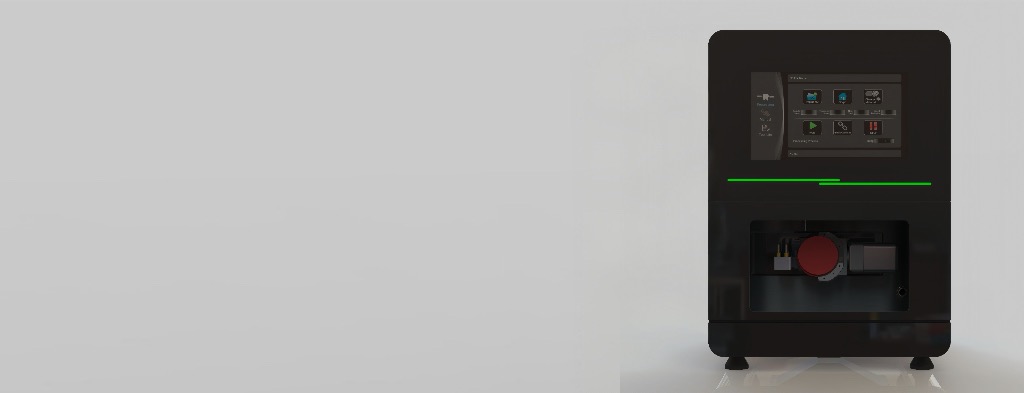
4. CAM Dry Cutting: Start the dental milling machine and cut the zirconia blank into a wax-like rough blank for the denture according to the designed path. Dust must be removed using a vacuum cleaner during the cutting process.
5. Finishing and Cleaning: Manually remove burrs and excess powder from the edges of the rough blank. Use a high-pressure air gun to blow away any remaining zirconia powder from the surface to prevent defects after sintering.
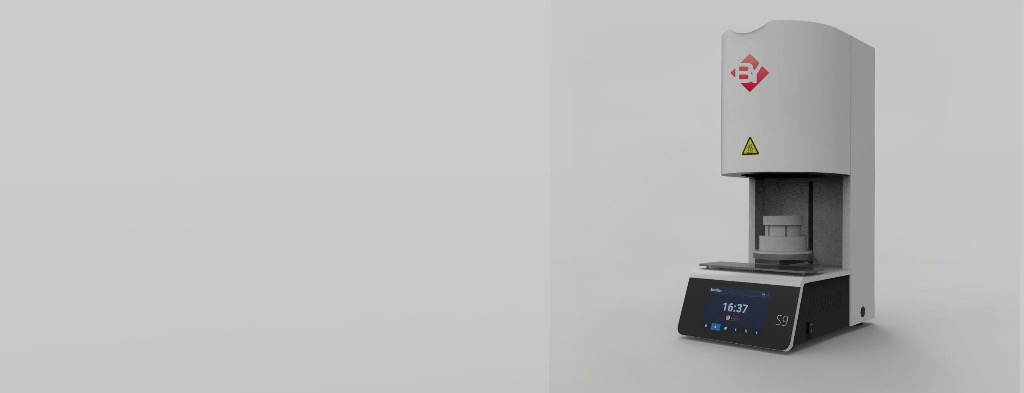
6. High-Temperature Sintering: The cleaned rough die is placed in a dental sintering furnace. The temperature rise curve is set according to the material parameters (usually to 1500-1600℃). After holding at this temperature for several hours, it cools with the furnace. The zirconia rough die shrinks (approximately 15%-20%), forming a dense and hard structure.
7. Staining and Enameling: A special zirconia staining solution is used to prepare a color matching the natural teeth. This color is applied to the denture surface and then cured with a second low-temperature bake. The occlusal surfaces and the overall surface are polished or enamelized to enhance gloss and wear resistance.
8. Quality Inspection and Trial Fitting: The dimensional accuracy, occlusal relationship, and color matching of the denture are checked. Once approved, it is delivered for clinical trial fitting and adjustment.
2. Digital Design and Modeling: Use CAD design software (such as Exocad) to plan the morphology, occlusal surfaces, and marginal fit of the zirconia denture, generating the machining path.
3. Zirconia Blank Preparation: Select zirconia discs of the appropriate specifications (categorized by strength, such as HT, ST, and ultra-clear types) and fix them on the fixture of the dental milling machine.
4. CAM Dry Cutting: Start the dental milling machine and cut the zirconia blank into a wax-like rough blank for the denture according to the designed path. Dust must be removed using a vacuum cleaner during the cutting process.
5. Finishing and Cleaning: Manually remove burrs and excess powder from the edges of the rough blank. Use a high-pressure air gun to blow away any remaining zirconia powder from the surface to prevent defects after sintering.
6. High-Temperature Sintering: The cleaned rough die is placed in a dental sintering furnace. The temperature rise curve is set according to the material parameters (usually to 1500-1600℃). After holding at this temperature for several hours, it cools with the furnace. The zirconia rough die shrinks (approximately 15%-20%), forming a dense and hard structure.
7. Staining and Enameling: A special zirconia staining solution is used to prepare a color matching the natural teeth. This color is applied to the denture surface and then cured with a second low-temperature bake. The occlusal surfaces and the overall surface are polished or enamelized to enhance gloss and wear resistance.
8. Quality Inspection and Trial Fitting: The dimensional accuracy, occlusal relationship, and color matching of the denture are checked. Once approved, it is delivered for clinical trial fitting and adjustment.
Related Cases
MORE >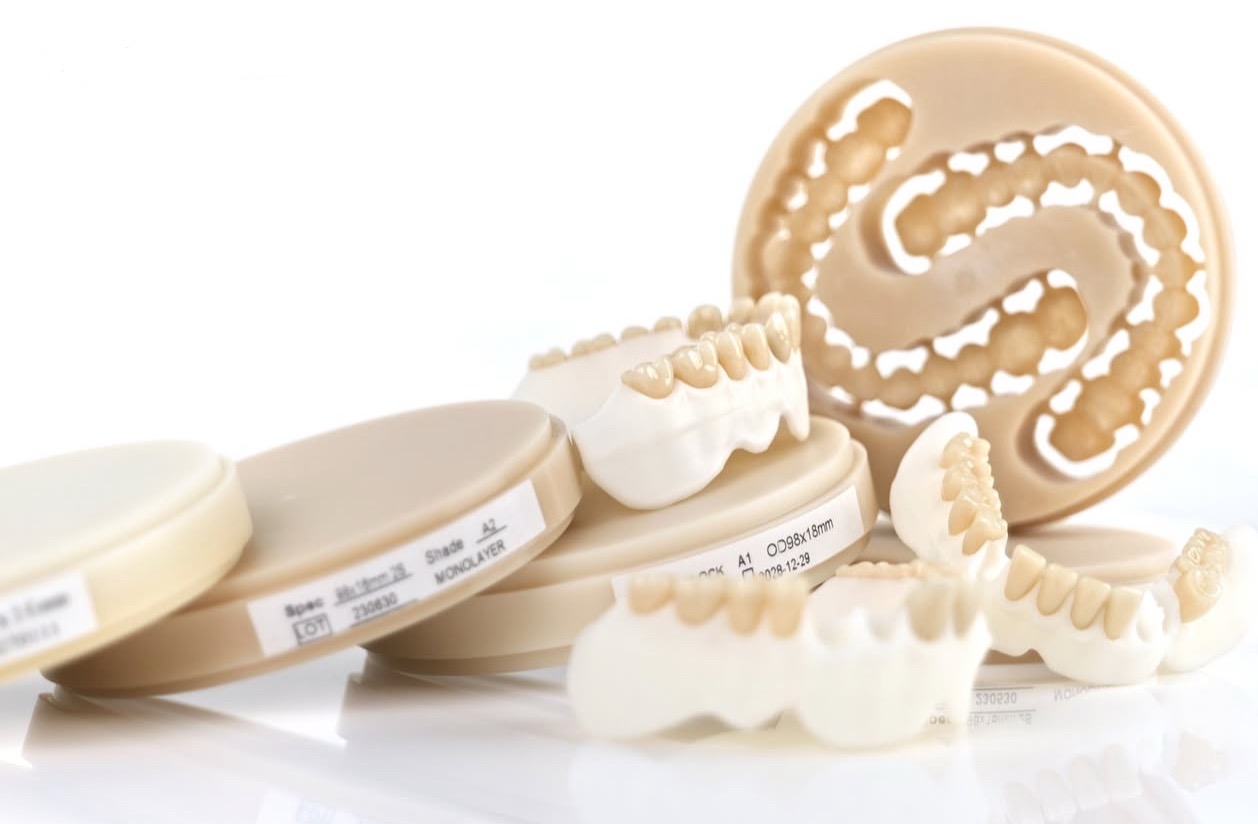
Consultation