


- Home
- >
- Case
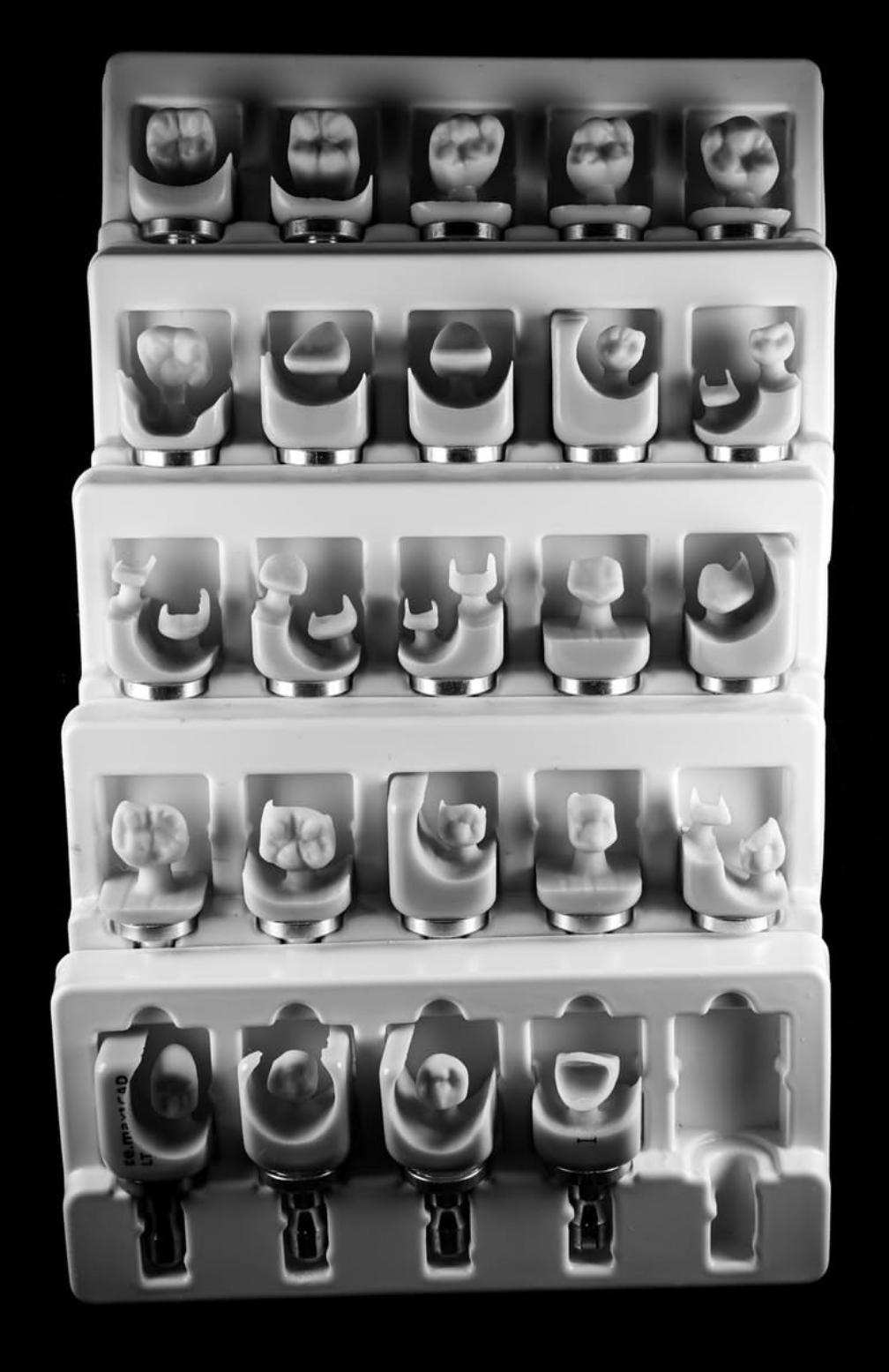
Dental PEEK milling case
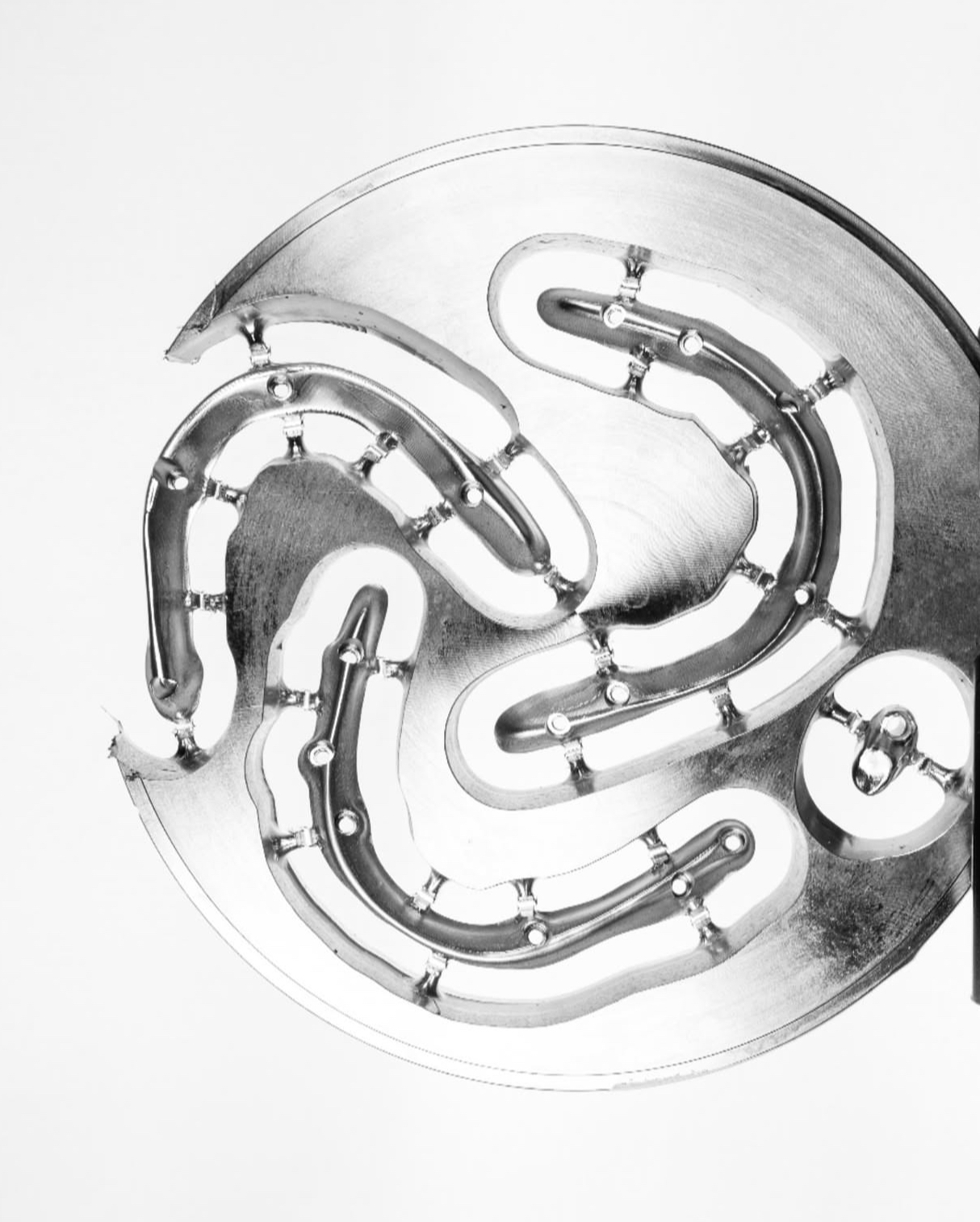
1. Data Acquisition and CAD Design: Scan the oral cavity/plaster model to obtain 3D data, design the framework/crown bridge shape and interface using Exocad and other tools, generate CAM machining paths, and ensure a minimum wall thickness ≥0.8mm to prevent breakage.
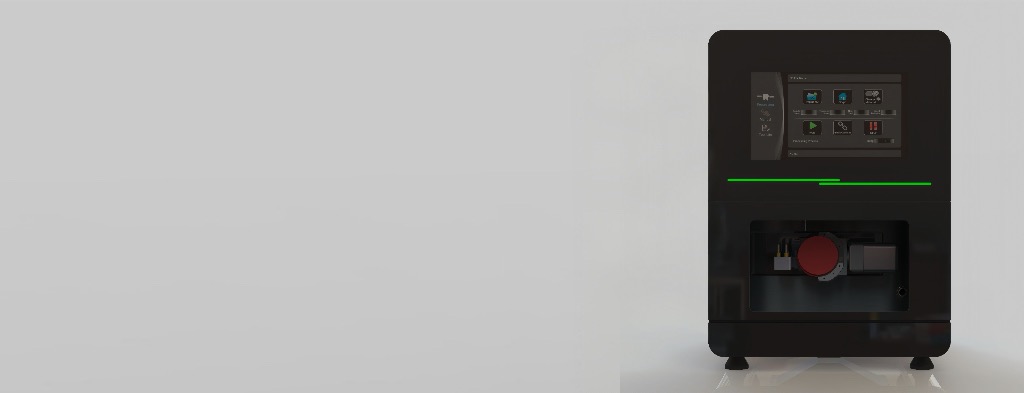
2. PEEK Blank Preparation and Clamping: Select medical-grade PEEK discs/bars and clamp them in a dental cutting machine fixture; prioritize PCD diamond-coated tools to reduce tool sticking and wear.
3. Wet Precision Cutting (Core): Use high-pressure coolant for cooling (PEEK melting point is approximately 343℃, prone to tool sticking), divided into rough milling (removing excess material) and finish milling (ensuring accuracy). Recommended spindle speed is 15000-30000 rpm, feed rate 0.05-0.15mm/tooth, strictly controlling thermal deformation.
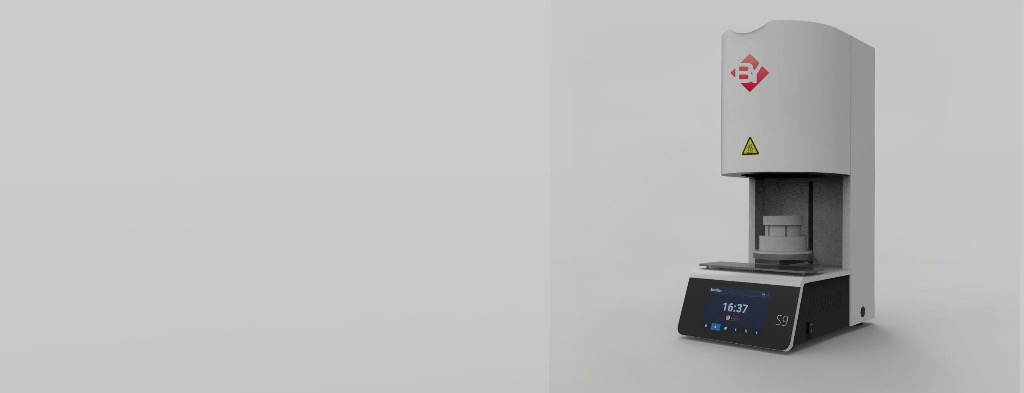
4. Separation and Deburring: Separate the workpiece along the preset connection point, use a grinder and fine sandpaper to remove burrs and machining marks, and finely adjust the edges and mating surfaces. 5. Cleaning and Stress Relief: High-pressure cleaning removes cutting fluid and dust; heat treatment at 120-150℃ for 1-2 hours eliminates internal processing stress and reduces subsequent deformation.
6. Surface Treatment (as needed): Sandblasting (to improve adhesion to the ceramic/resin finish); or treatment with a special primer to enhance bonding strength; when a finish is required, apply a special resin/ceramic finish material.
7. Curing and Polishing: After finishing, light-curing/thermal-curing is performed according to material requirements; progressive sanding with 800-1500 grit sandpaper, followed by polishing with polishing compound until the surface Ra ≤ 0.8μm, improving biocompatibility and aesthetics.
8. Final Inspection and Sterilization: Inspect dimensional accuracy, interface compatibility, and surface quality; autoclave at high temperature and pressure before delivery to clinical use.
2. PEEK Blank Preparation and Clamping: Select medical-grade PEEK discs/bars and clamp them in a dental cutting machine fixture; prioritize PCD diamond-coated tools to reduce tool sticking and wear.
3. Wet Precision Cutting (Core): Use high-pressure coolant for cooling (PEEK melting point is approximately 343℃, prone to tool sticking), divided into rough milling (removing excess material) and finish milling (ensuring accuracy). Recommended spindle speed is 15000-30000 rpm, feed rate 0.05-0.15mm/tooth, strictly controlling thermal deformation.
4. Separation and Deburring: Separate the workpiece along the preset connection point, use a grinder and fine sandpaper to remove burrs and machining marks, and finely adjust the edges and mating surfaces. 5. Cleaning and Stress Relief: High-pressure cleaning removes cutting fluid and dust; heat treatment at 120-150℃ for 1-2 hours eliminates internal processing stress and reduces subsequent deformation.
6. Surface Treatment (as needed): Sandblasting (to improve adhesion to the ceramic/resin finish); or treatment with a special primer to enhance bonding strength; when a finish is required, apply a special resin/ceramic finish material.
7. Curing and Polishing: After finishing, light-curing/thermal-curing is performed according to material requirements; progressive sanding with 800-1500 grit sandpaper, followed by polishing with polishing compound until the surface Ra ≤ 0.8μm, improving biocompatibility and aesthetics.
8. Final Inspection and Sterilization: Inspect dimensional accuracy, interface compatibility, and surface quality; autoclave at high temperature and pressure before delivery to clinical use.
Consultation