

- Home
- >
- Case
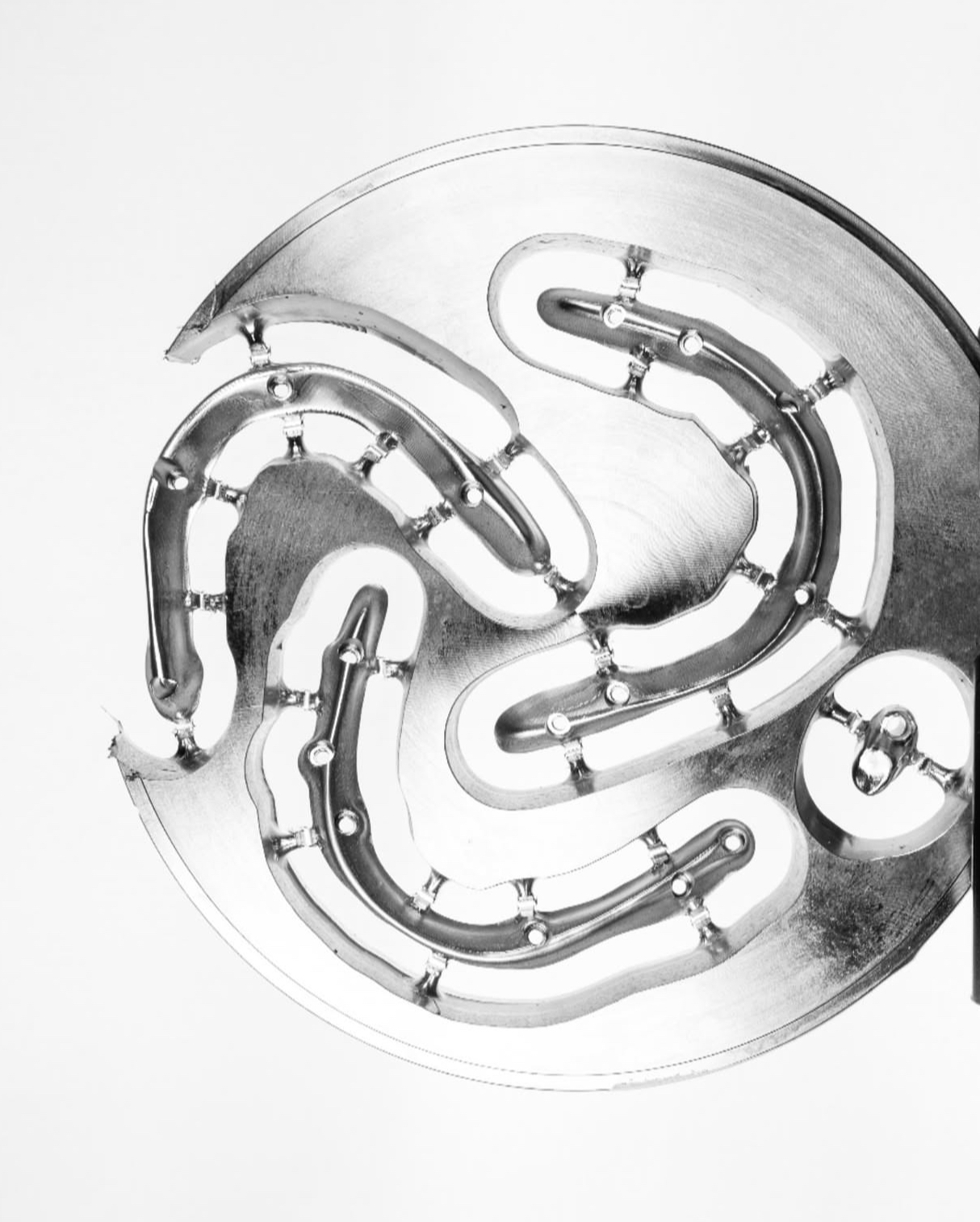
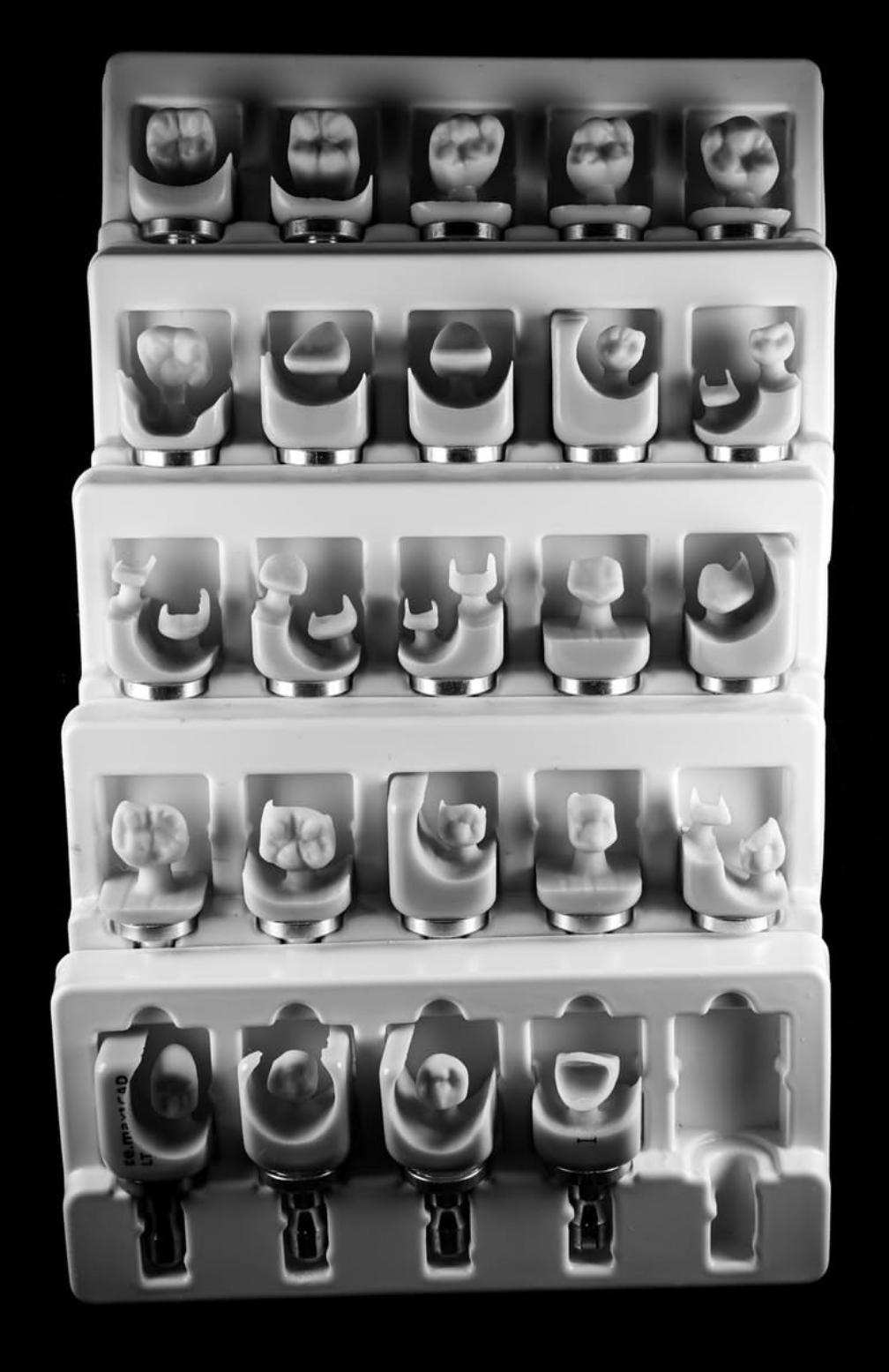
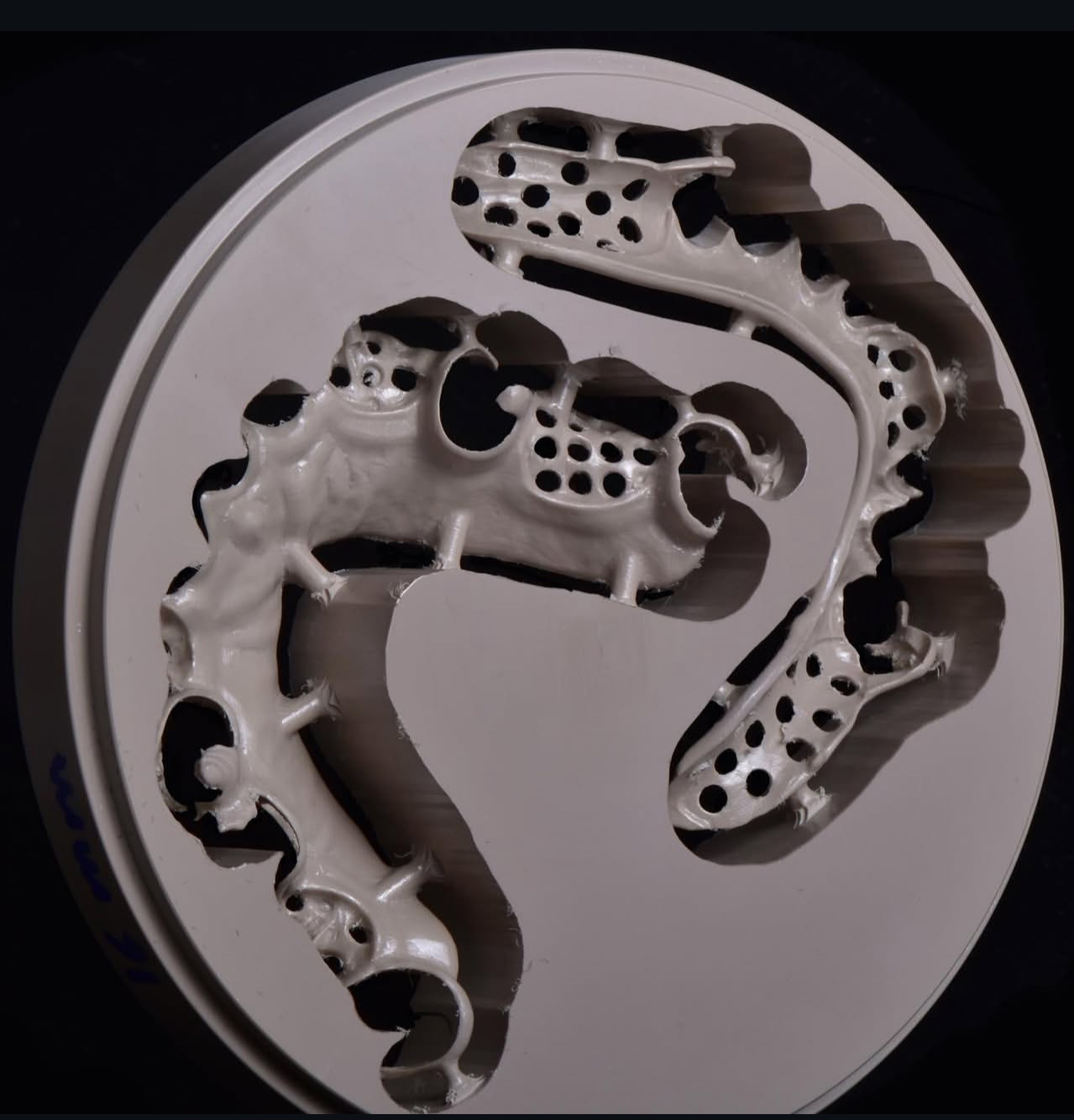
Dental titanium post cutting case
1. Oral Data Acquisition and Modeling: Scan the patient's oral cavity/plaster model to obtain 3D data. Use CAD software such as Exocad to design the abutment/scaffold shape, generate CAM machining paths, and match the implant system interface parameters.
2. Titanium Column Blank Preparation and Clamping: Select titanium column blanks of suitable diameter/length and clamp them on a dental milling machine fixture to ensure rigidity and positioning accuracy. Due to titanium's high hardness, carbide or diamond-coated tools are preferred.
3. CAM Wet Cutting (Core): Start the five-axis dental milling machine and perform wet cutting (forced cooling with coolant to prevent deformation and protect the tools). Mill the rough blank according to the path; complex structures (such as internal threads and implant interfaces) require multi-tool step-by-step machining.
4. Separation and Deburring: Separate the workpiece along the pre-set runner. Remove burrs and machining marks using a grinder and sandpaper. Fine-tune edges, mating surfaces, and interlocking shape.
5. Cleaning and Degreasing: High-pressure cleaning + steam degreasing thoroughly removes cutting fluid, oil, and metal dust to prevent contamination in subsequent processing.
6. Surface Treatment (Critical):
◦ Sandblasting: Sandblasting with alumina powder improves surface roughness to facilitate osseointegration/resin bonding.
◦ Pickling: A nitric acid-hydrofluoric acid mixture removes the surface oxide layer and impurities, improving biocompatibility.
◦ Optional Anodizing: Custom colors are available, enhancing corrosion resistance and osseointegration capabilities.
7. Sterilization and Final Inspection: High-temperature, high-pressure sterilization; dimensional accuracy, surface quality, and interface compatibility are checked. Only qualified parts are delivered for clinical use.
2. Titanium Column Blank Preparation and Clamping: Select titanium column blanks of suitable diameter/length and clamp them on a dental milling machine fixture to ensure rigidity and positioning accuracy. Due to titanium's high hardness, carbide or diamond-coated tools are preferred.
3. CAM Wet Cutting (Core): Start the five-axis dental milling machine and perform wet cutting (forced cooling with coolant to prevent deformation and protect the tools). Mill the rough blank according to the path; complex structures (such as internal threads and implant interfaces) require multi-tool step-by-step machining.
4. Separation and Deburring: Separate the workpiece along the pre-set runner. Remove burrs and machining marks using a grinder and sandpaper. Fine-tune edges, mating surfaces, and interlocking shape.
5. Cleaning and Degreasing: High-pressure cleaning + steam degreasing thoroughly removes cutting fluid, oil, and metal dust to prevent contamination in subsequent processing.
6. Surface Treatment (Critical):
◦ Sandblasting: Sandblasting with alumina powder improves surface roughness to facilitate osseointegration/resin bonding.
◦ Pickling: A nitric acid-hydrofluoric acid mixture removes the surface oxide layer and impurities, improving biocompatibility.
◦ Optional Anodizing: Custom colors are available, enhancing corrosion resistance and osseointegration capabilities.
7. Sterilization and Final Inspection: High-temperature, high-pressure sterilization; dimensional accuracy, surface quality, and interface compatibility are checked. Only qualified parts are delivered for clinical use.
Consultation